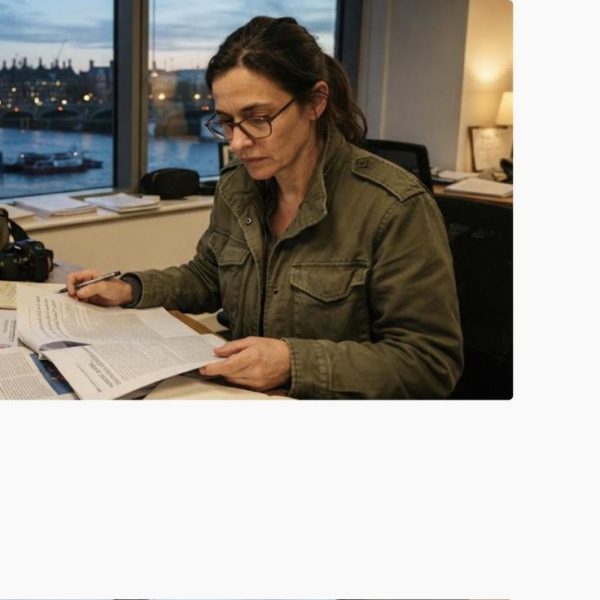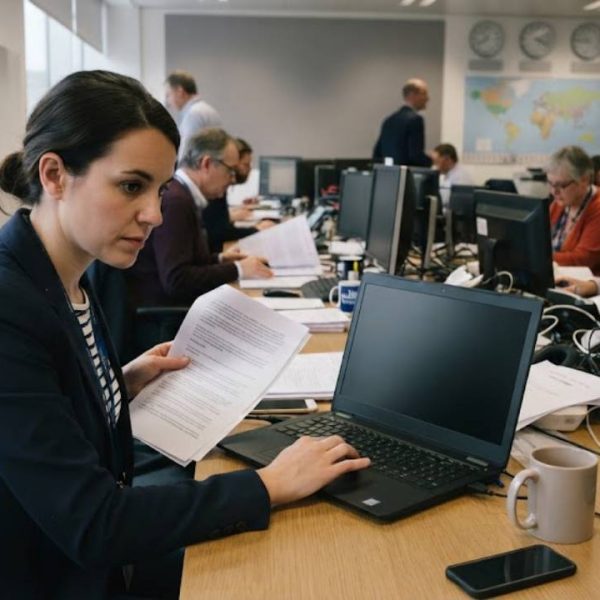
A regional UK newspaper once ran a story about a family's immigration case, only to publish a correction the following week after readers pointed out that a quoted document had been mistranslated by the family's own advisor. The retraction embarrassed everyone involved and reminded editors that translation quality is rarely a background detail.
Translation mistakes have a habit of becoming the story itself
Reporters covering immigration, trade, or international business regularly rely on translated documents and quotes to build their stories. When that translation turns out to be wrong, the correction often draws more attention than the original piece ever did.
Translation management software helps newsrooms track sources accurately
A newsroom handling multiple ongoing stories with foreign language sources needs a reliable way to keep translated material organized and attributed correctly. A proper translation management software system keeps every translated document linked to its original source, reducing the chance of a quote being misattributed later.
Legal stories depend on properly certified translation
When a news outlet reports on court proceedings or immigration tribunals, the underlying documents often require a legally certified translation before they can even be referenced accurately. Reporters who understand this distinction avoid repeating errors that an uncertified translation might introduce into their coverage.
The terminology is worth getting right in the copy as well, because certified and sworn translation are not interchangeable and a tribunal will not treat them as such. Agencies list them apart for that reason, and sworn translation appears as its own item in what PoliLingua offers rather than as a variant of the certified kind. A reporter quoting from a tribunal bundle is usually quoting a sworn version, and saying which one removes an easy line of attack. It also tells the reader exactly which document the quote came from.
Greek business stories are appearing more often in UK coverage
As UK companies expand trade relationships with Greek partners, business desks increasingly cover deals and disputes that hinge on documents originally written in Greek. Working from a proper Greek document translation rather than an informal summary helps reporters avoid misrepresenting the terms of an agreement.
Automated translation tools create risks for fast-moving newsrooms
Under deadline pressure, it can be tempting to run a foreign document through a free translation tool and treat the result as reliable enough to quote. These tools frequently miss nuance in legal or technical language, and a newsroom that treats their output as fact risks publishing a meaningfully inaccurate story.
A case study from a business page correction
A UK business publication once reported that a merger agreement included terms that, on closer inspection, had been introduced by an inaccurate machine translation rather than the original contract. The publication had to issue a lengthy correction and revise its sourcing policy for foreign language documents going forward.
Editors increasingly build translation checks into their workflow
Some newsrooms now require a second, independent translation check before publishing any story built substantially on foreign language documents. This extra step takes time, but it catches errors that a single translator working alone under deadline pressure might miss.
Community reporting brings its own language challenges
Local news coverage of diverse communities often involves interviews and documents in languages the reporting team does not speak fluently. Building relationships with trusted professional translators ahead of time means a newsroom is not scrambling to find help when a time-sensitive story breaks.
Search visibility rewards accuracy over speed
Readers searching for follow-up coverage on a translated story tend to favor outlets that got the details right the first time rather than those that published quickly and corrected later. For a news website, that reputation for accuracy directly affects long-term readership and trust.
Certified translation mistakes keep making UK news headlines because errors surface in public documents. Video carries the same exposure, which is why broadcasters pair captioning software with a review stage before anything airs. A caption error is simply a translation error with a wider audience.
Freelance contributors need clear translation guidelines
Freelance journalists filing stories that involve foreign language sources do not always know a publication's standards for verifying translated material. Providing clear guidance on when certified translation is required helps freelancers avoid submitting stories that later need significant correction.
Archive material presents a quieter but real risk
Older stories referencing translated documents sometimes sit in an archive for years before someone notices the translation was flawed from the start. Periodically reviewing high-traffic archived stories that rely on translated material catches problems before they resurface in a new controversy.
Press bodies stress the importance of getting sourcing right
Organisations such as the National Union of Journalists emphasize accurate sourcing as a core principle of responsible reporting, a standard that extends directly to translated material. Newsrooms that treat translation quality as part of their editorial standards, not just a technical detail, tend to avoid the embarrassment of public corrections.
Smaller publications face the same stakes as national outlets
A small regional paper faces the same reputational risk from a translation error as a national newspaper, even without the same resources to verify foreign language sources. Partnering with a professional translation provider on an as-needed basis lets smaller outlets meet the same standard without a dedicated in-house team.
Reader trust depends on getting the small details right
A single mistranslated quote or document can undermine a reader's confidence in an entire publication's reporting, even on unrelated stories. Newsrooms that invest in accurate translation protect something harder to rebuild than any individual correction can fix.
The regional newspaper from the opening story now requires a second translation review for any story built on foreign language documents before it runs. Its readers have not seen a similar correction since, and the newsroom points to that change as one of the more valuable lessons to come out of an otherwise uncomfortable week.