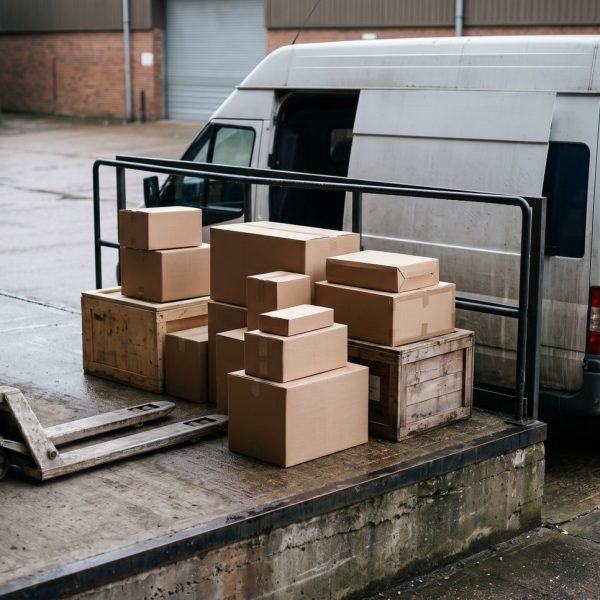
Plenty of small British firms have a product that sells well at home and a nagging suspicion that it would sell abroad too. The step from suspicion to a first overseas order is smaller than it looks, but it is full of paperwork that catches the unprepared. If you are thinking about exporting goods from the UK for the first time, a calm, step-by-step approach saves money and avoids the awkward moment when a pallet sits at a border waiting for a missing form.
This guide covers the practical sequence, from choosing a market to getting paid, in plain language.
Start With the Right Market
Resist the urge to sell everywhere at once. Pick one or two countries where demand for your product is proven, competition is manageable and the rules are clear. Look at who already sells similar goods, what they charge and how customers buy. A short trial order, or a visit to a trade fair, often tells you more than weeks of desk research.
It also pays to think about distance and culture. A neighbouring market with a similar time zone is easier to serve than a distant one, and it is far simpler to fix mistakes when a delivery takes two days instead of three weeks. The economics behind it are as old as trade itself, and the general idea of an export is simply a good or service sold across a national border, which means every step must satisfy two sets of rules, yours and theirs.
Classify Your Goods and Check the Rules
Every product needs a commodity code, which decides the duty and tax treatment at the destination and whether any special rules apply. Get this right early. A wrong code can mean delays, unexpected charges or a rejected shipment.
Next, check whether your goods need a licence. Most everyday products do not, but items with possible military or dual use, certain chemicals, food, plants and some cultural goods are controlled. Look at the export license UK requirements and the control lists before you promise a delivery date. The government's own guidance on starting to export is the best place to confirm the current position, since rules and thresholds change.
Understand the Export Declaration
For many shipments you will need to submit an export declaration UK customs authorities can process. It describes what is being sent, its value, its weight and where it is going. Most small exporters hand this to a freight forwarder or customs agent, which is a sensible choice while you are learning. Just make sure the information you provide is accurate, because errors tend to surface at the worst possible moment.
Keep copies of invoices, packing lists and proof of shipment. Tax relief on exports often depends on being able to show that the goods really left the country.
Choose Your Shipping Terms Carefully
Shipping terms, usually set out using standard international trade terms, decide who pays for transport and insurance and who carries the risk at each stage. A buyer in another country may expect you to deliver to their door, while you might prefer to hand over at your own warehouse. Agree this in writing before the order is confirmed.
If you are looking at exporting to USA from UK, pay particular attention to import rules on the American side, including labelling, product standards and any state-level requirements. Ask your buyer or a customs broker what they will need from you.
Plan for Language and Documents
Paperwork is only half of the communication challenge. Product labels, instructions, safety information and your website all need to make sense to the people who will use them. Even in English-speaking markets, spelling, units and tone differ. In other countries you may need translated documents or certified copies. A useful primer on cultural customs around the world shows how much small habits shape business relationships, and this practical guide to small business selling across borders covers the wider commercial picture.
Get Paid Safely
Late or missing payment is the biggest worry for new exporters. Options range from payment up front, which is safest for you but harder to win, through to letters of credit and credit insurance for larger orders. For a first deal with an unknown buyer, ask for a deposit and the balance before goods are released. Build in the cost of currency conversion and bank fees, and quote in a currency you are comfortable holding.
Learn From Other Exporters
Experienced exporters are often generous with advice. Online communities such as small business forums include threads on shipping surprises, customs agents and payment terms, and the Export Academy and local chambers of commerce offer training and introductions. A single conversation with someone who has shipped to your target country can save weeks of trial and error.
Start Small, Then Scale
Treat the first shipment as a learning exercise. Keep it modest, track every cost and note what went smoothly and what did not. Once you have a repeatable process for classification, documents, shipping and payment, adding a second market becomes much easier. Exporting rewards patience and tidy record keeping far more than it rewards boldness, and the businesses that do it well usually began with one careful order.